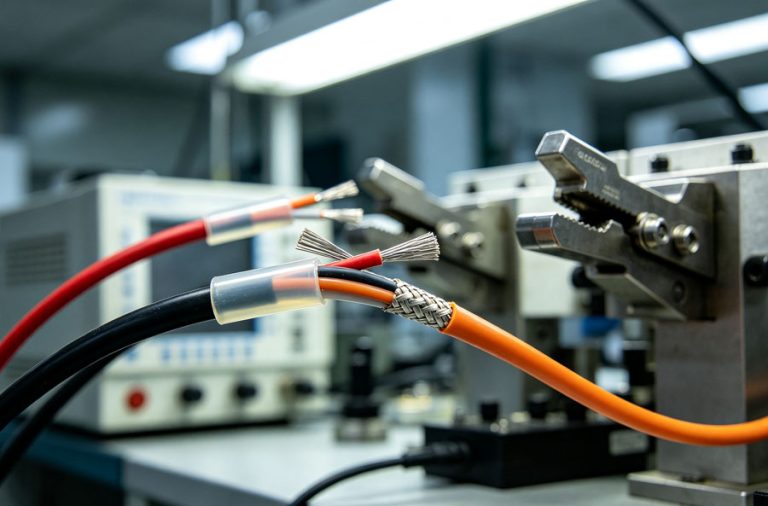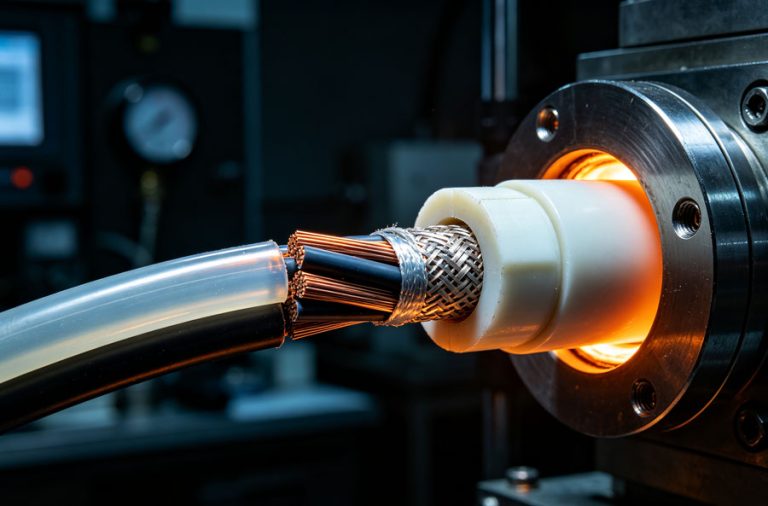

Modern electrical and industrial projects are becoming increasingly sophisticated. Manufacturing facilities, automated production lines, energy systems, transportation infrastructure, industrial machinery, and specialized equipment often operate under demanding conditions that standard cables cannot always address effectively. Temperature extremes, electromagnetic interference, continuous movement, chemicals, vibration, limited installation space, and strict regulatory requirements can all influence cable performance.
This is where specialty cable solutions become valuable. Rather than treating cable as a basic electrical accessory, specialty cable engineering considers the complete operating environment and develops a cable construction that supports electrical reliability, mechanical durability, safety, and long-term performance.
For engineers, OEMs, system integrators, contractors, and industrial procurement teams, selecting the right specialty cable is an important part of project planning. The correct cable can help reduce maintenance requirements, simplify installation, protect sensitive signals, and support reliable equipment operation.
What Are Specialty Cable Solutions?
Specialty cables are electrical cables designed for applications that require characteristics beyond those commonly provided by general-purpose cables.
Depending on the project, a specialty cable may be engineered for:
- High-temperature operation
- Low-temperature environments
- Continuous flexing
- Robotic movement
- High voltage
- Electromagnetic interference protection
- Chemical exposure
- Oil and fuel resistance
- Fire resistance
- Outdoor environments
- Compact installations
- Instrumentation and signal transmission
- Industrial automation
- Specialized control systems
The term “specialty cable” therefore covers a broad range of cable constructions rather than one specific product category.
A suitable solution begins by identifying the actual operating conditions. The cable’s conductor, insulation, shielding, jacket, geometry, and protective layers can then be selected according to the requirements of the application.
Why Complex Projects Need Specialized Cable Designs
A standard cable may work effectively in a controlled indoor environment, but industrial applications rarely remain that simple.
Consider an automated manufacturing machine. Its cable may need to carry electrical power while repeatedly bending thousands or millions of times. At the same time, the cable may be exposed to coolant, oil, vibration, abrasion, and electromagnetic interference from motors and variable-frequency drives.
Another example is an industrial furnace. The cable may need to withstand elevated temperatures while maintaining electrical insulation and connecting sensors or control equipment positioned near the heat source.
In both cases, selecting a cable based only on voltage and conductor size would be insufficient.
Specialty cable solutions address these additional requirements by balancing electrical, thermal, mechanical, and environmental performance.
Core Components of a Specialty Cable
Understanding cable construction helps engineers make better purchasing decisions.
Conductors
The conductor determines how efficiently electrical current or signals travel through the cable.
Copper is widely used because it offers high electrical conductivity and good flexibility. Stranded copper conductors are commonly selected when flexibility is important.
Other conductor configurations may be appropriate for high-temperature or highly specialized applications. Plating or specialized conductor materials can also improve resistance to oxidation and environmental degradation.
The conductor size should be selected according to current, voltage drop, installation conditions, temperature, and applicable electrical requirements.
Insulation
The insulation system provides electrical separation between conductors and protects against environmental influences.
Common materials include PVC, XLPE, silicone rubber, PTFE, FEP, PFA, and other engineered compounds.
Each material has different characteristics.
Silicone is known for flexibility and useful high-temperature performance. Fluoropolymer materials can provide excellent thermal and chemical resistance. XLPE is commonly used where electrical and thermal performance must be balanced for industrial power applications.
Choosing insulation should therefore be based on the actual environment rather than assuming that one material is universally superior.
Shielding
Shielding is particularly important in modern industrial environments containing motors, inverters, generators, switching equipment, and communication systems.
Electromagnetic interference can affect sensitive signals and create communication or measurement problems.
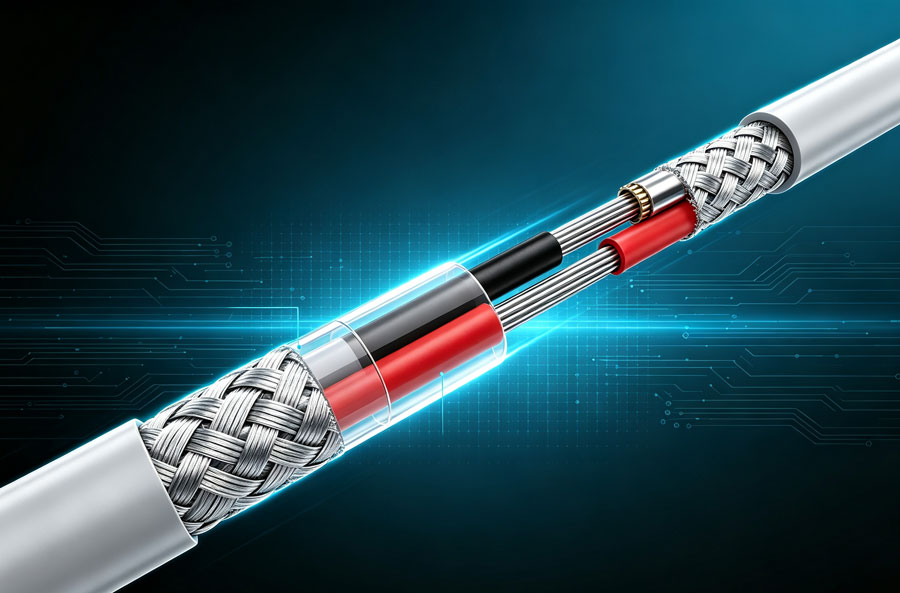
Depending on the application, specialty cables may incorporate foil shields, braided shields, drain wires, or combined shielding structures.
Instrumentation, control, data, and communication applications may have different shielding requirements, so the cable should be selected according to the signal characteristics and installation environment.
Outer Jacket
The outer jacket provides the cable’s primary environmental and mechanical protection.
Different jacket materials can provide resistance to:
- Abrasion
- Moisture
- Oil
- Chemicals
- UV exposure
- Temperature changes
- Mechanical impact
For industrial applications, jacket selection should reflect the actual substances and conditions the cable will encounter.
Specialty Cables for Industrial Automation
Industrial automation is one of the most demanding applications for modern cable systems.
Robots, CNC machines, automated assembly systems, conveyor equipment, pick-and-place machines, and automated inspection systems frequently require cables that can withstand repeated movement.
A cable intended for fixed installation may not be appropriate for a continuously moving application. Repeated bending creates mechanical fatigue that can eventually damage conductors or insulation.
For dynamic applications, engineers should consider:
- Flexing cycles
- Minimum bending radius
- Travel distance
- Movement speed
- Torsion
- Acceleration
- Cable carrier compatibility
- Temperature
- Exposure to oils and coolants
Selecting a cable specifically designed for dynamic motion can significantly improve system reliability.
High-Temperature Specialty Cable Solutions
Many industrial processes generate substantial heat.
Steel production, glass manufacturing, foundries, heat treatment, industrial ovens, furnaces, aerospace systems, and specialized heating equipment may require cables that can operate reliably at elevated temperatures.
High-temperature cable construction can incorporate materials such as silicone, PTFE, FEP, PFA, fiberglass, mica, or other specialized insulation systems.
However, users should distinguish between ambient temperature and actual cable temperature.
Radiant heat from furnaces and heating elements can raise the temperature of the cable considerably. Enclosures, limited ventilation, and proximity to heat sources can also influence operating conditions.
The correct solution should therefore consider continuous temperature, peak temperature, thermal cycling, cable routing, and heat dissipation.
Cables for Harsh Chemical Environments
Chemical processing facilities can expose cables to solvents, oils, acids, alkalis, fuels, and cleaning agents.
A cable that performs well electrically may still fail prematurely if its outer jacket or insulation is incompatible with the surrounding chemicals.
Chemical compatibility should be evaluated according to:
- Chemical type
- Concentration
- Temperature
- Exposure duration
- Contact frequency
- Immersion conditions
- Mechanical stress
Fluoropolymer-based materials can offer strong chemical resistance for certain demanding environments, while specialized industrial jackets may be selected for oil, coolant, or fuel exposure.
The most appropriate material depends on the complete application.
Shielded Cables for Signal Integrity
Industrial automation depends increasingly on accurate data and control signals.
Sensors, PLCs, industrial computers, measurement devices, communication networks, and motor-control systems can all be affected by electrical interference.
Shielded specialty cables can help control electromagnetic interference and maintain signal quality when correctly specified and installed.
Shielding performance depends not only on the cable itself but also on grounding, connector design, installation routing, and system configuration.
For this reason, cable selection should be integrated into the overall electromagnetic compatibility strategy of the project.
Specialty Cables for Energy and Power Systems
Energy infrastructure places significant demands on electrical cables.
Power-generation facilities, renewable energy installations, battery systems, industrial distribution equipment, and specialized electrical systems may require cables designed for specific voltage, current, environmental, and mechanical conditions.
In these applications, engineers need to consider:
- Voltage rating
- Current capacity
- Short-circuit requirements
- Temperature
- Installation method
- Environmental exposure
- Fire performance
- Mechanical protection
- Service life
For outdoor energy systems, UV exposure, moisture, temperature variation, and mechanical stress may also influence cable selection.
A specialty cable solution can be particularly useful when the installation combines multiple demanding conditions.
Compact Cable Solutions for Limited Spaces
Space is another important consideration in modern equipment design.
Industrial control cabinets, robotic arms, sensors, compact machines, medical equipment, and aerospace systems may have limited room for cable routing.
A large conventional cable can make installation difficult and increase bending stress.
Specialty cable constructions can be developed around requirements such as reduced diameter, optimized conductor arrangement, flexible insulation, and customized core configurations.
Compact cable design should not sacrifice electrical safety or mechanical performance. Instead, the objective is to achieve the required performance within the available installation space.
Custom Cable Assemblies for OEM Applications
OEM equipment manufacturers often require cables that match a specific machine architecture.
Rather than purchasing generic cables and adapting them during assembly, OEMs can specify cable assemblies based on their equipment design.
A custom assembly may include:
- Defined cable length
- Specific conductor configuration
- Customized connectors
- Shielding
- Protective sleeving
- Molded components
- Identification markings
- Customized terminations
This approach can improve production consistency and reduce assembly time.
For equipment manufactured in volume, standardized custom cable assemblies can also simplify procurement and quality control.
UL Standard Cables and Compliance Considerations
Electrical projects frequently require compliance with recognized standards.
Depending on the intended market, application, and cable type, requirements may involve UL, IEC, CSA, or other applicable standards.
For projects serving the North American market, UL-recognized or UL-listed cable constructions may be required depending on the equipment and installation.
However, certification should never be assumed simply because a cable is described as “industrial” or “high temperature.”
Purchasers should verify the actual certification, rating, construction, and intended use of the product.
Documentation is especially important for large projects where engineering approval, inspection, and quality assurance are part of the procurement process.
How to Select a Specialty Cable
A systematic selection process can reduce the risk of choosing an unsuitable product.
Step 1: Define the Electrical Requirements
Start with voltage, current, conductor size, number of cores, frequency, signal type, and required electrical performance.
For data or instrumentation applications, identify the transmission characteristics and shielding requirements.
Step 2: Map the Environmental Conditions
Determine whether the cable will encounter:
- Heat or cold
- Moisture
- Oil
- Chemicals
- UV radiation
- Dust
- Corrosive substances
- Vibration
- Abrasion
The more accurately the environment is defined, the easier it becomes to identify suitable materials.
Step 3: Determine Mechanical Requirements
Identify whether the cable is fixed, occasionally moved, continuously flexed, twisted, dragged, or installed inside a cable carrier.
Bending radius and movement frequency can be particularly important for robotic and automated equipment.
Step 4: Establish Space Limitations
Measure available routing space and identify potential obstacles.
Cable diameter, connector dimensions, bend radius, and installation direction should all be considered before final selection.
Step 5: Confirm Standards and Documentation
Check the applicable certification and testing requirements for the target market and industry.
For commercial and industrial projects, documentation such as technical datasheets, certification information, test reports, and material specifications can support engineering approval.
The Importance of Cable Temperature Derating
Temperature affects electrical performance as well as insulation life.
When ambient temperature rises, the cable’s ability to dissipate heat can decrease. Depending on the cable construction and installation conditions, allowable current may therefore need to be reduced.
Cable bundles can create additional heat because multiple conductors are positioned close together.
Engineers should consider ambient temperature, conductor heating, installation method, grouping, ventilation, and applicable ampacity requirements.
A cable with an appropriate temperature rating is only part of the solution. The complete installation must remain within its electrical and thermal limits.
Installation Matters as Much as Product Selection
Even a highly engineered specialty cable can experience premature failure if installation practices are poor.
Avoid exceeding the manufacturer’s minimum bending radius. Prevent sharp edges from contacting the jacket, and use appropriate cable supports where required.
Dynamic cables should be installed according to their intended movement profile. Excessive torsion, unsupported weight, or incorrect cable-carrier routing can reduce service life.
Heat sources should also be considered during routing. Where direct exposure is unavoidable, additional thermal protection or increased separation may be necessary.
Terminations deserve equal attention. Connectors, glands, terminals, and seals must be compatible with the cable and the surrounding temperature and environmental conditions.
Why Customization Can Improve Project Performance
Complex industrial projects often involve requirements that cannot be addressed by an off-the-shelf cable.
Customization allows the cable construction to be optimized for the application.
For example, an OEM may need a flexible cable with a specific number of cores, shield coverage, conductor size, jacket material, and connector configuration. A standardized product may require additional adapters or modifications, while a customized solution can integrate these requirements from the beginning.
Customization can also support production efficiency by creating consistent cable assemblies across equipment models.
Working With an Experienced Specialty Cable Supplier
Choosing a supplier is an important part of a specialty cable project.
A capable supplier should be able to understand technical specifications and discuss factors such as conductor construction, insulation materials, shielding, temperature ratings, mechanical requirements, certifications, and application conditions.
For businesses sourcing specialty cables, high-temperature cables, UL standard cables, and industrial cable solutions, a supplier such as Voltara Cable can be considered when evaluating products for demanding electrical and industrial applications.
The most useful supplier relationship is not simply based on product availability. Technical communication, specification support, customization capability, documentation, consistent quality, and dependable delivery can all influence project success.
When requesting a quotation, provide detailed application information whenever possible. This allows the supplier to recommend a cable construction based on engineering requirements rather than offering a generic product.
Maintenance and Long-Term Reliability
Cable selection is only the beginning of a reliable electrical system.
Regular inspection can help identify early signs of degradation.
Maintenance teams should look for:
- Cracked insulation
- Jacket deformation
- Abrasion
- Discoloration
- Exposed conductors
- Damaged shielding
- Loose connectors
- Excessive bending
- Signs of overheating
The inspection frequency should reflect the application. Cables operating under high temperature, continuous motion, chemical exposure, or heavy mechanical stress generally require closer monitoring than cables in stable environments.
Preventive maintenance can help identify potential failures before they interrupt production.
Specialty Cable Solutions and the Future of Industry
Industrial systems are becoming more automated, connected, compact, and energy efficient. These changes increase the demands placed on electrical infrastructure.
Robotic systems require greater flexibility. Smart manufacturing requires reliable signal transmission. Energy systems demand specialized electrical performance. Compact equipment requires smaller and more flexible cable constructions.
At the same time, industrial users increasingly expect longer service life, predictable performance, easier installation, and better documentation.
Specialty cable engineering is therefore becoming an important part of equipment design rather than an afterthought.
Specialty cable solutions provide a practical way to address the complex electrical and environmental requirements found in modern industrial projects.
The right solution should consider far more than conductor size or voltage rating. Temperature, flexibility, shielding, chemical resistance, mechanical stress, installation space, environmental exposure, certification, and service life all contribute to cable performance.
For engineers and procurement teams, the best approach is to define the operating environment first and then select a cable construction that meets those requirements.
Whether the application involves industrial automation, robotics, furnaces, energy systems, instrumentation, machinery, transportation equipment, or specialized OEM products, a properly engineered specialty cable can contribute to safer operation, improved reliability, reduced maintenance, and longer equipment service life.
As industrial technology continues to evolve, cable systems will remain a fundamental part of reliable electrical infrastructure. Selecting the right specialty cable from the beginning can help ensure that complex projects perform consistently under the conditions for which they were designed.